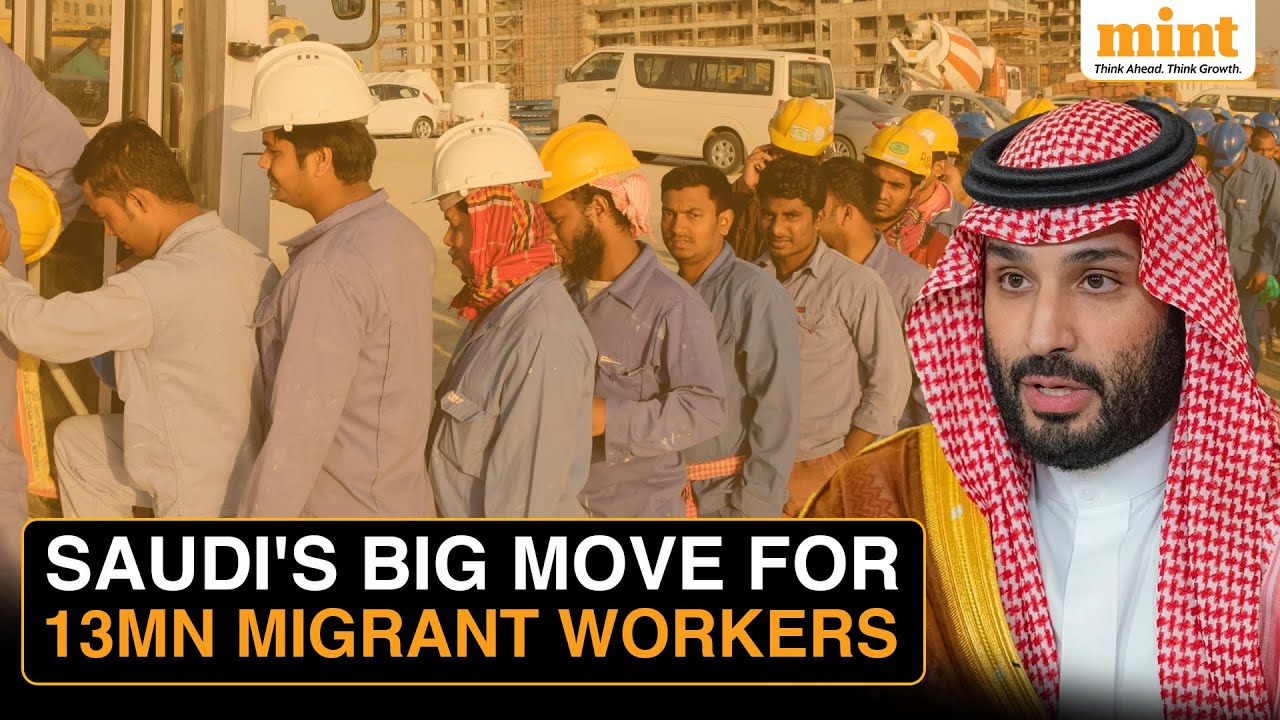
The Saudi Arabian government announced a landmark decision: the formal abolition of the decades-old Kafala (sponsorship) system. This reform, part of the broader Vision 2030 initiative, replaces the restrictive sponsorship model with a modern, contract-based employment framework.
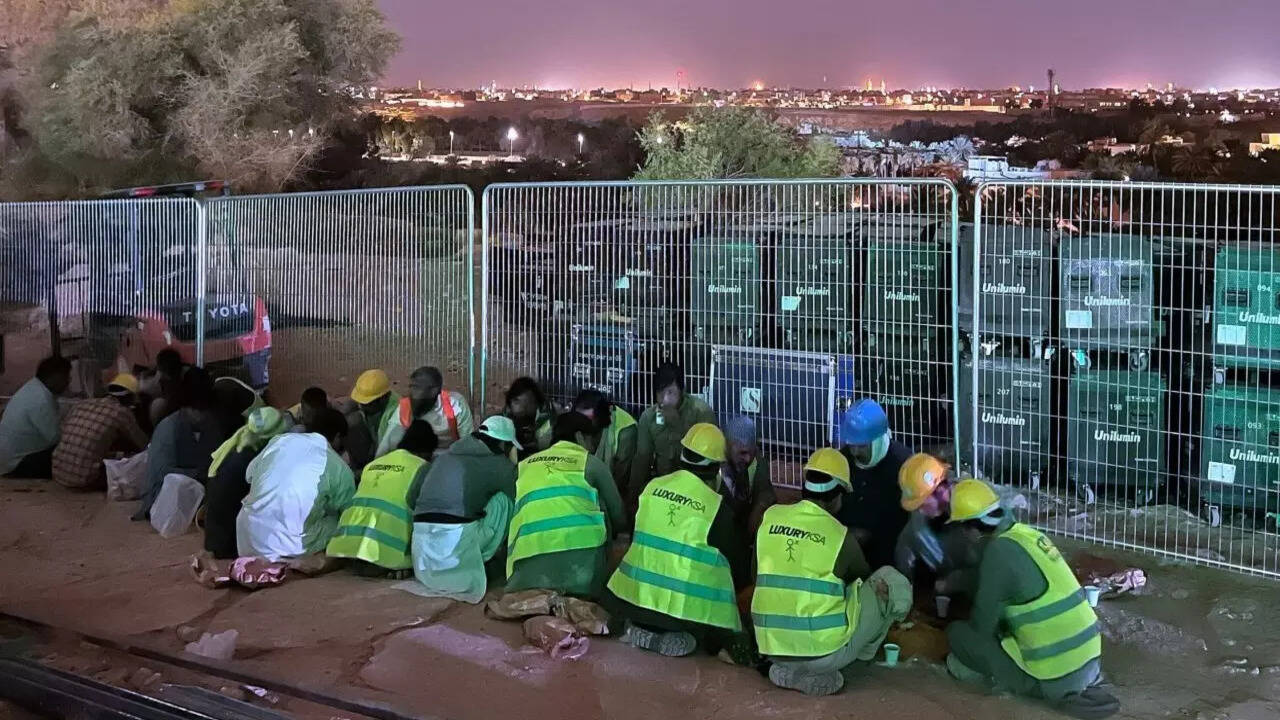
It directly benefits approximately 13-13.4 million foreign workers, many from South and Southeast Asia, including millions from Bangladesh, India, Pakistan, and the Philippines. Human rights organizations have hailed it as a “new chapter” in Saudi labor history, though they emphasize the need for strong implementation and oversight.
What Was the Kafala System?
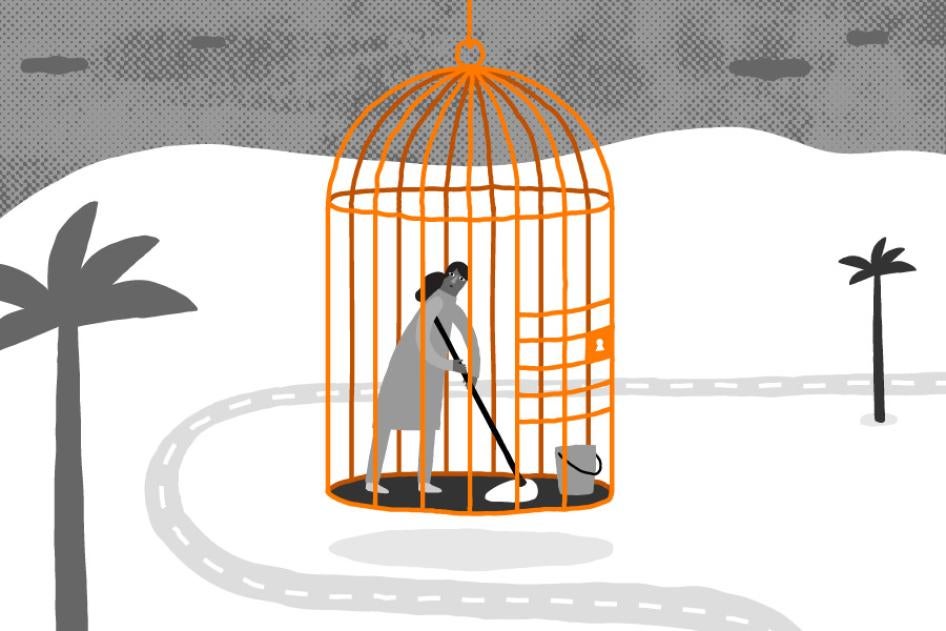
The term “Kafala” means “sponsorship” in Arabic. Introduced in the 1950s across Gulf countries (including Saudi Arabia, Kuwait, Qatar, and UAE) following the oil boom, it was designed to regulate the influx of foreign labor for economic development. Under Kafala, a foreign worker’s legal status, visa, residency permit (Iqama), and employment were entirely dependent on their employer, known as the “Kafeel” (sponsor).
This led to significant vulnerabilities for workers:
- They could not change jobs without the sponsor’s permission.
- Leaving the country required an exit visa, which sponsors could withhold.
- Seeking legal recourse for issues like unpaid wages or abuse was difficult, as sponsors could label workers “absconding.”
- Common abuses included passport confiscation, forced overtime, and exploitation.
Organizations like Amnesty International and Human Rights Watch have long criticized the system as enabling “modern-day slavery,” particularly affecting domestic workers and construction laborers.
Details of the New Reform

Announced in June 2025 and implemented progressively through the year, the reform fully dismantles Kafala and introduces a contract-based system. According to reports from the Saudi Press Agency (SPA) and the Ministry of Human Resources and Social Development (HRSD):
- Workers can change employers without prior sponsor approval (subject to contract terms).
- No exit/re-entry visas are required for leaving or returning to the country.
- Enhanced legal protections for complaints related to wages, abuse, or unfair treatment.
- Digital platforms like Qiwa facilitate contract registration and management.
This builds on partial reforms from 2021 but represents a complete shift. Official sources:
Ministry of Human Resources and Social Development (HRSD)
Saudi Press Agency (SPA) – Labor Reforms
Who Benefits?
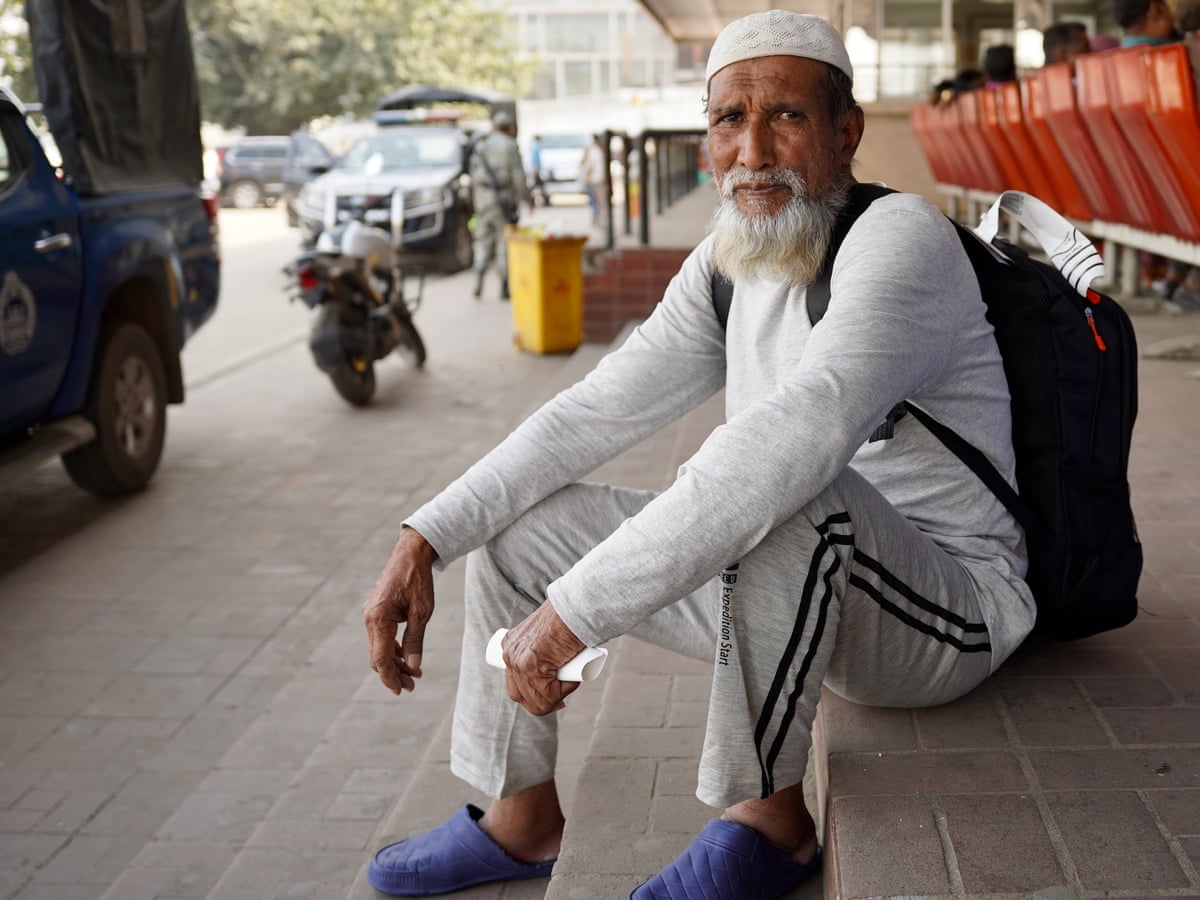
Saudi Arabia hosts around 13.4 million foreign workers, comprising about 42% of the population. Key nationalities include:
- Indians: Approximately 2.6 million
- Bangladeshis: Hundreds of thousands (a top source of remittances)
- Pakistanis, Nepalis, Filipinos, Indonesians, etc.
Sectors impacted: Construction, domestic work, hospitality, agriculture, oil & gas. The reform promises greater mobility, better job opportunities, and reduced exploitation.
Context of Vision 2030

Led by Crown Prince Mohammed bin Salman, Vision 2030 aims to diversify the economy away from oil dependency. Attracting foreign investment requires modern labor standards. The Kafala abolition makes the market more competitive.
Impact on Bangladeshi Workers

Thousands of Bangladeshi workers in Saudi Arabia, primarily in construction and services, stand to gain immensely. They can now escape unfair employers more easily, seek better-paying jobs, and enjoy greater freedom—boosting remittances and family welfare back home.
Conclusion
The abolition of the Kafala system marks a transformative shift in Saudi Arabia’s labor landscape. It restores dignity to millions of foreign workers while positioning the kingdom as a more attractive global destination. Success depends on rigorous implementation.
For more job circulars and overseas employment news, visit: https://en.jobcircularpro.com/